
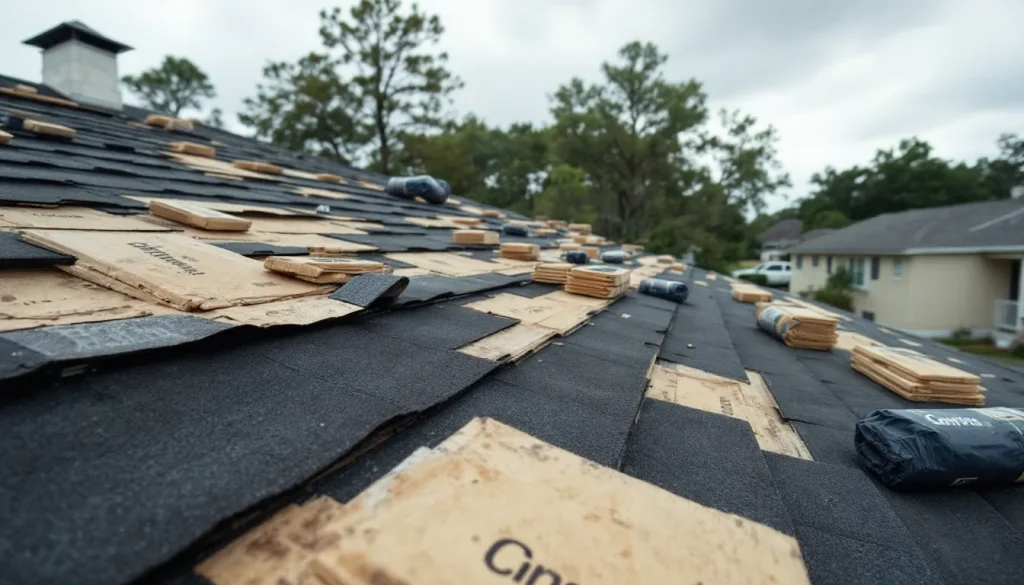
Homeowners in Central Florida say a roofing company collected substantial deposits and then vanished mid-project, leaving multiple residences with partial work and no functioning warranty, according to local reporting from WFTV in Orlando.
The pattern is unfortunately familiar. A contractor advertises aggressive pricing and quick turnaround. Homeowners pay deposits ranging from a few thousand to tens of thousands of dollars. Work begins. Then communication slows, then stops, and the contractor reappears either under a different name or not at all.
Why Florida sees this pattern repeatedly
Florida’s combination of frequent storm events, an insurance-driven repair-and-replace market, and a steady stream of out-of-state contractors moving in during hurricane season produces ideal conditions for fly-by-night operations. Storm-chaser dynamics, where contractors follow weather events and disappear afterward, have been a persistent feature of the Florida market.
The state has responded with licensing requirements, contractor registration, and the recent AOB reform measures. But enforcement lags the volume of contracts being signed, particularly in the post-storm rush when homeowners are under time pressure and contractors are operating at high volume.
How to avoid the vanish pattern
Before signing any roofing contract in Florida, homeowners should verify the contractor’s license against the Florida Department of Business and Professional Regulation database, confirm the contractor’s general liability and workers’ compensation insurance with the carrier directly, search for the contractor’s business under any prior names or DBA variations, and check the Better Business Bureau and Google Business Profile for the contractor.
The most important specific defense is the deposit structure. Florida law caps roofing deposits at 10 percent of the contract value or $1,000, whichever is less, before any work begins. Larger upfront payment requests are illegal. Any contractor demanding more than that should be declined.
Source: WFTV Channel 9 Orlando. The Roofing Brief was not involved in the underlying reporting.