
FIND A ROOFER
Find Roofing Contractors
Find vetted roofing contractors in your area. Our local directory launches in 2026; in the meantime, learn how to vet a contractor properly.
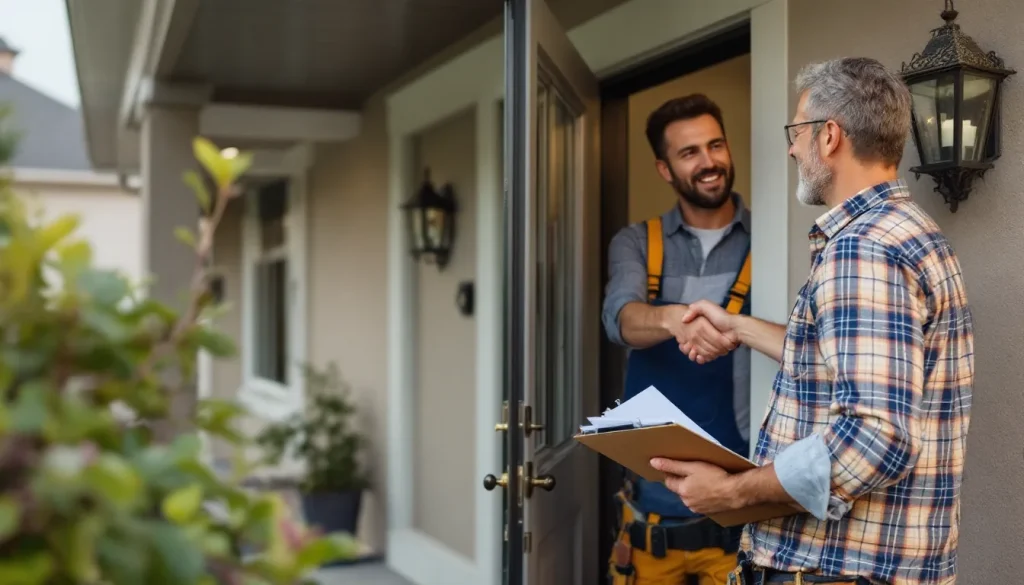
Finding a real roofing contractor in 2026 is harder than it should be. Door-knockers chase storm damage with out-of-state plates. Lead-aggregator sites (Angi, HomeAdvisor, Networx) sell your phone number to 5+ contractors who all spam-call you for a week. Manufacturer-certification directories (GAF Master Elite, Owens Corning Platinum Preferred, CertainTeed SELECT ShingleMaster) are the most reliable starting point but most homeowners do not know they exist. This page is The Roofing Brief’s guide to finding a real roofing contractor for your project, from vetting through contract through final inspection.
The short version
- Start with manufacturer-certification directories (GAF Master Elite covers ~4% of all US roofing contractors, OC Platinum Preferred ~1%, CertainTeed SELECT ShingleMaster). These are the most vetted lists.
- Verify state licensing before any quote: California CSLB C-39, Florida CILB Certified Roofing Contractor, Texas county-level, Massachusetts CSL, Virginia DPOR.
- Get three written, itemized quotes. Compare line items (squares, materials with brand and grade specified, tear-off, decking allowance, flashing, underlayment, permit, warranty) not just bottom-line totals.
- Walk away from anyone who refuses to provide proof of GL insurance ($1M+ per occurrence), workers’ comp, state license number, and three local references from the last 12 months.
- Red flags: out-of-state plates, door-knock pressure, full payment up front, no permit, no physical office in your state, assignment-of-benefits paperwork buried in contract.
- Our local-contractor directory launches in 2026. Until then, use the guides below.
The contractor-finding workflow
Here is the workflow that filters 30 prospects down to 3 real contenders in a week.
Step 1: Pull from manufacturer-certification directories first
The three big-three shingle manufacturers each run a contractor certification program that requires the contractor to maintain a high standard or lose certification. The directories are free, searchable by zip code, and represent the top tier of installer quality. Use these as your seed list before anything else.
- GAF Master Elite: roughly 4% of US roofing contractors qualify. Requires GAF-certified installers, factory training, and an installation quality audit. Directory at gaf.com/en-us/roofing-contractors.
- Owens Corning Platinum Preferred: top 1% of OC-certified contractors. Most stringent. Directory at owenscorning.com/roofing/contractors.
- CertainTeed SELECT ShingleMaster: requires the contractor to install only CertainTeed products and complete annual training. Directory at certainteed.com/find-a-pro.
- IKO ROOFviewer, Atlas Pro Plus, Tamko Pro Certified, Malarkey Emerald Premium Contractor: secondary tier worth checking if your area is thin on big-three.
For deeper context on what each certification means and which warranties they unlock, see our how to choose a roofing contractor guide and the best roofing companies filtering framework.
Step 2: Cross-reference against state licensing
State licensing requirements vary wildly. California, Florida, and Nevada have rigorous state-level roofing contractor licensing. Texas, Pennsylvania, and most of the Midwest do licensing at the county or municipal level. Always verify the license number on the issuing state’s lookup database before signing anything.
- California C-39 Roofing Contractor License
- Florida CILB Certified Roofing Contractor License
- Texas Roofing Licensing (county-level)
- Florida AOB Reform: what changed for roofing claims
Step 3: Run the vetting questions
For each prospect, run our standard vetting interview. The questions are designed to filter out storm chasers and reveal whether the contractor has the operational maturity to handle a $15K-30K project without burning your roof.
- 21 questions to ask a roofing contractor (the master interview list)
- 12 red flags a roofing contractor will burn you (storm chaser tells)
- Hiring a roof installation contractor: the 18-point vetting process
- Commercial roofing contractor: the 12 questions for commercial projects
- How to choose a solar installer (14 questions specific to solar)
Step 4: Compare estimates apples to apples
You will get a wide range of quotes for the same project. The cheapest is rarely the best value. The most expensive is rarely the best either. Compare line items and watch for the typical games contractors play to make their bid look competitive.
- How to read a new roof estimate: 12 line items and 4 red flags
- Roof replacement quote: how to read, compare, and negotiate three bids
- Roofing estimate template (what every quote should include)
- How to negotiate a roof replacement: 9 tactics that actually work
Step 5: Lock in protection before work starts
Before the crew shows up, you need a written contract that protects you, plus a clear permit, plus a documented inspection scope. Skip any of these and you are exposed to fraud or insurance denial.
- Roofing contract template: the 14 clauses that protect you
- Roof permit cost in 2026: by state, by city, and what happens if you skip it
- The 30-point roof inspection checklist (free PDF reference)
- Roof inspection cost in 2026, by inspection type
- How to get a roof inspection
- Insurance adjuster roof inspection: how to handle the adjuster visit
By region: roofing contractor markets in 2026
The roofing-contractor market is regional. Hurricane regions (Florida, Texas Gulf, Carolinas) have different code requirements and post-storm dynamics than snow regions (Northeast, upper Midwest) or arid regions (Arizona, New Mexico, Nevada).
- Florida: post-Ian and Idalia reforms changed assignment-of-benefits rules. Local Class A general contractor with roofing endorsement is often the safest hire. See Florida AOB reform and best roof for hurricane.
- Texas: no state roofing license; verify with the city. Hail-belt insurance discounts make Class 4 impact-resistant shingles nearly mandatory.
- California: CSLB C-39 license required. Title 24 energy efficiency requirements affect material choice. See best roof color and California licensing.
- Northeast and Midwest: snow load, ice damming, and ventilation drive the spec. See how to prevent ice dams, heat cable for roofs, and attic ventilation.
By project type
The right contractor for a residential asphalt re-roof is not the right contractor for a commercial TPO install or a solar shingle retrofit. Match the contractor’s specialty to your project.
- Residential asphalt or architectural shingle: GAF Master Elite, OC Platinum Preferred, or CertainTeed SELECT ShingleMaster. See how much does a new roof cost.
- Residential metal: standing seam specialty contractor (not every shingle roofer can install metal correctly). See metal roof installation and standing seam metal roof cost.
- Commercial flat roof (TPO, EPDM, PVC, mod-bit): Carlisle Authorized Applicator, Versico VersiTrac, Firestone Red Shield, GAF Master Select, Sika Sarnafil. See commercial roofing contractor guide and commercial roof replacement cost.
- Solar roofing: NABCEP PV Installation Professional certified, EPC model preferred over dealer model. See how to choose a solar installer.
- Specialty (tile, slate, copper, cedar shake): regional specialists; ask for at least five projects of the same material in the last three years.
What to do before the directory launches
Our local-contractor directory is in development for 2026. Until it launches, the workflow above (manufacturer cert directory + state license verification + structured vetting interview + apples-to-apples estimate comparison + written contract with permit) gives you a higher-quality contractor than any lead-aggregator site can.
If you want help thinking through a specific project, our Learn hub has 200+ guides covering every part of the roofing process from material selection to insurance claims. For operator-level content on running a roofing business, see our Playbook hub. For roofing news, see News.
FAQ
What is the single most important credential a roofing contractor should have?
State license (where required), plus general liability insurance with at least $1M per-occurrence coverage, plus workers’ compensation insurance. Manufacturer certifications add quality assurance but are not legally required. The state license verifies they can legally do the work; the insurance protects you from paying for an injured worker or property damage.
Are HomeAdvisor and Angi contractor leads reliable?
Lead-aggregator sites sell your contact information to multiple contractors who pay for the lead, then spam-call you. The contractors on these sites have paid for the lead, not been vetted for quality. Manufacturer certification directories are a better starting point.
How many quotes should I get?
Three is the standard. Two is too few to identify the outlier. More than five wastes your time and theirs. All three should be from contractors who passed the vetting interview, not from anyone who showed up door-to-door.
Can I find a contractor without going through a directory?
Yes. Ask neighbors with recent roofs. Ask a building inspector or real estate agent for referrals. Check local Facebook community groups (search “roofing recommendation”). Check Google reviews with specific filter for 30+ reviews and recency in the last 12 months. Avoid Yelp-only or BBB-only references; both can be gamed.
When will The Roofing Brief contractor directory launch?
Summer 2026. We are vetting contractors region-by-region with manufacturer-certification status, state licensing, insurance verification, and at least three local references audited per listing. We do not accept paid placement; the directory is curated editorially.
Bottom line
Finding a real roofing contractor in 2026 takes maybe four hours of focused work. The payoff is a $15K-30K project that lasts 25-30 years instead of failing in five. Start with manufacturer-certification directories, cross-reference against state licensing, run the vetting interview, compare three apples-to-apples estimates, and lock in a written contract with a real permit before any crew shows up. Skip any of those steps and you are gambling with the largest exterior-improvement project most homeowners ever make.
Best roofers by metro: certified contractors, scored
Knowing how to vet a contractor is one thing. Knowing which contractors in your city already clear the bar is another. The Roofing Brief scores manufacturer-certified roofing contractors across the 400 largest U.S. metropolitan areas on a single published formula, then researches the top five in each metro by hand against Better Business Bureau records, state licence registries and independent review platforms. No contractor pays to be listed, and we take no lead fees.
Browse the full index of metro roofer rankings, or jump straight to your metro:
- Best roofers in New York, NY
- Best roofers in Los Angeles, CA
- Best roofers in Chicago, IL
- Best roofers in Dallas, TX
- Best roofers in Houston, TX
- Best roofers in Miami, FL
- Best roofers in Washington, DC
- Best roofers in Atlanta, GA
- Best roofers in Philadelphia, PA
- Best roofers in Phoenix, AZ
- Best roofers in Boston, MA
- Best roofers in Riverside, CA
- Best roofers in San Francisco, CA
- Best roofers in Detroit, MI
- Best roofers in Seattle, WA
- Best roofers in Minneapolis, MN
- Best roofers in Tampa, FL
- Best roofers in San Diego, CA
- Best roofers in Denver, CO
- Best roofers in Orlando, FL
- Best roofers in Charlotte, NC
- Best roofers in Baltimore, MD
- Best roofers in St. Louis, MO
- Best roofers in San Antonio, TX
- Best roofers in Austin, TX
- Best roofers in Portland, OR
- Best roofers in Sacramento, CA
- Best roofers in Pittsburgh, PA
- Best roofers in Las Vegas, NV
- Best roofers in Cincinnati, OH
- Best roofers in Kansas City, MO
- Best roofers in Columbus, OH
- Best roofers in Indianapolis, IN
- Best roofers in Cleveland, OH
- Best roofers in Nashville, TN
- Best roofers in San Jose, CA
- Best roofers in Virginia Beach, VA
- Best roofers in Jacksonville, FL
- Best roofers in Providence, RI
- Best roofers in Milwaukee, WI
- Best roofers in Raleigh, NC
- Best roofers in Oklahoma City, OK
- Best roofers in Louisville, KY
- Best roofers in Richmond, VA
- Best roofers in Memphis, TN
- Best roofers in Salt Lake City, UT
- Best roofers in Birmingham, AL
- Best roofers in Fresno, CA
- Best roofers in Grand Rapids, MI
- Best roofers in Hartford, CT
- Best roofers in Buffalo, NY
- Best roofers in Tucson, AZ
- Best roofers in Tulsa, OK
- Best roofers in Rochester, NY
- Best roofers in Omaha, NE
- Best roofers in Honolulu, HI
- Best roofers in Greenville, SC
- Best roofers in Bridgeport, CT
- Best roofers in New Orleans, LA
- Best roofers in Knoxville, TN
- Best roofers in North Port, FL
- Best roofers in Albuquerque, NM
- Best roofers in Bakersfield, CA
- Best roofers in McAllen, TX
- Best roofers in Albany, NY
- Best roofers in Allentown, PA
- Best roofers in Baton Rouge, LA
- Best roofers in Worcester, MA
- Best roofers in El Paso, TX
- Best roofers in Columbia, SC
- Best roofers in Charleston, SC
- Best roofers in Cape Coral, FL
- Best roofers in Lakeland, FL
- Best roofers in Boise, ID
- Best roofers in Oxnard, CA
- Best roofers in Dayton, OH
- Best roofers in Stockton, CA
- Best roofers in Greensboro, NC
- Best roofers in Colorado Springs, CO
- Best roofers in Little Rock, AR
- Best roofers in Provo, UT
- Best roofers in Des Moines, IA
- Best roofers in Deltona, FL
- Best roofers in Poughkeepsie, NY
- Best roofers in Madison, WI
- Best roofers in Winston-Salem, NC
- Best roofers in Akron, OH
- Best roofers in Ogden, UT
- Best roofers in Wichita, KS
- Best roofers in Palm Bay, FL
- Best roofers in Syracuse, NY
- Best roofers in Augusta, GA
- Best roofers in Durham, NC
- Best roofers in Harrisburg, PA
- Best roofers in Jackson, MS
- Best roofers in Fayetteville, AR
- Best roofers in Spokane, WA
- Best roofers in Toledo, OH
- Best roofers in Chattanooga, TN
- Best roofers in New Haven, CT
- Best roofers in Reno, NV
- Best roofers in Scranton, PA
- Best roofers in Portland, ME
- Best roofers in Lancaster, PA
- Best roofers in Modesto, CA
- Best roofers in Port St. Lucie, FL
- Best roofers in Huntsville, AL
- Best roofers in Pensacola, FL
- Best roofers in Lexington, KY
- Best roofers in Killeen, TX
- Best roofers in Springfield, MO
- Best roofers in Santa Rosa, CA
- Best roofers in Visalia, CA
- Best roofers in Wilmington, NC
- Best roofers in Lansing, MI
- Best roofers in York, PA
- Best roofers in Springfield, MA
- Best roofers in Fort Wayne, IN
- Best roofers in Waterbury, CT
- Best roofers in Vallejo, CA
- Best roofers in Corpus Christi, TX
- Best roofers in Santa Maria, CA
- Best roofers in Salem, OR
- Best roofers in Reading, PA
- Best roofers in Salinas, CA
- Best roofers in Brownsville, TX
- Best roofers in Savannah, GA
- Best roofers in Manchester, NH
- Best roofers in Ocala, FL
- Best roofers in Gulfport, MS
- Best roofers in Youngstown, OH
- Best roofers in Asheville, NC
- Best roofers in Lafayette, LA
- Best roofers in Naples, FL
- Best roofers in Myrtle Beach, SC
- Best roofers in Mobile, AL
- Best roofers in Anchorage, AK
- Best roofers in Flint, MI
- Best roofers in Canton, OH
- Best roofers in Beaumont, TX
- Best roofers in Tallahassee, FL
- Best roofers in Spartanburg, SC
- Best roofers in Fayetteville, NC
- Best roofers in Trenton, NJ
- Best roofers in Montgomery, AL
- Best roofers in Shreveport, LA
- Best roofers in Eugene, OR
- Best roofers in Davenport, IA
- Best roofers in Fort Collins, CO
- Best roofers in Ann Arbor, MI
- Best roofers in Hickory, NC
- Best roofers in Atlantic City, NJ
- Best roofers in Greeley, CO
- Best roofers in Lubbock, TX
- Best roofers in Huntington, WV
- Best roofers in Peoria, IL
- Best roofers in Gainesville, FL
- Best roofers in Lincoln, NE
- Best roofers in Clarksville, TN
- Best roofers in Rockford, IL
- Best roofers in Green Bay, WI
- Best roofers in Boulder, CO
- Best roofers in South Bend, IN
- Best roofers in Columbus, GA
- Best roofers in Kennewick, WA
- Best roofers in Roanoke, VA
- Best roofers in Kingsport, TN
- Best roofers in Hagerstown, MD
- Best roofers in Crestview, FL
- Best roofers in Sioux Falls, SD
- Best roofers in Waco, TX
- Best roofers in Olympia, WA
- Best roofers in Merced, CA
- Best roofers in Longview, TX
- Best roofers in Utica, NY
- Best roofers in College Station, TX
- Best roofers in Norwich, CT
- Best roofers in Tuscaloosa, AL
- Best roofers in San Luis Obispo, CA
- Best roofers in Duluth, MN
- Best roofers in Bremerton, WA
- Best roofers in Cedar Rapids, IA
- Best roofers in Slidell, LA
- Best roofers in Amarillo, TX
- Best roofers in Laredo, TX
- Best roofers in Evansville, IN
- Best roofers in Fargo, ND
- Best roofers in Erie, PA
- Best roofers in Lynchburg, VA
- Best roofers in Kalamazoo, MI
- Best roofers in Bend, OR
- Best roofers in Santa Cruz, CA
- Best roofers in Daphne, AL
- Best roofers in Yakima, WA
- Best roofers in Prescott Valley, AZ
- Best roofers in Tyler, TX
- Best roofers in Appleton, WI
- Best roofers in Binghamton, NY
- Best roofers in Lake Charles, LA
- Best roofers in Champaign, IL
- Best roofers in Macon, GA
- Best roofers in Hilton Head Island, SC
- Best roofers in Bellingham, WA
- Best roofers in Fort Smith, AR
- Best roofers in Topeka, KS
- Best roofers in Barnstable Town, MA
- Best roofers in Rochester, MN
- Best roofers in Lafayette, IN
- Best roofers in Burlington, VT
- Best roofers in Las Cruces, NM
- Best roofers in Charlottesville, VA
- Best roofers in Lake Havasu City, AZ
- Best roofers in Panama City, FL
- Best roofers in Athens, GA
- Best roofers in Monroe, LA
- Best roofers in Gainesville, GA
- Best roofers in Medford, OR
- Best roofers in Yuma, AZ
- Best roofers in Columbia, MO
- Best roofers in Johnson City, TN
- Best roofers in Jacksonville, NC
- Best roofers in Punta Gorda, FL
- Best roofers in Lexington Park, MD
- Best roofers in Chico, CA
- Best roofers in St. George, UT
- Best roofers in Elkhart, IN
- Best roofers in Joplin, MO
- Best roofers in Springfield, IL
- Best roofers in Auburn, AL
- Best roofers in St. Cloud, MN
- Best roofers in Warner Robins, GA
- Best roofers in Charleston, WV
- Best roofers in Florence, SC
- Best roofers in Houma, LA
- Best roofers in Racine, WI
- Best roofers in Bowling Green, KY
- Best roofers in Dover, DE
- Best roofers in Billings, MT
- Best roofers in Midland, TX
- Best roofers in Coeur d'Alene, ID
- Best roofers in Saginaw, MI
- Best roofers in Yuba City, CA
- Best roofers in Abilene, TX
- Best roofers in Jackson, TN
- Best roofers in Burlington, NC
- Best roofers in Kingston, NY
- Best roofers in Iowa City, IA
- Best roofers in Blacksburg, VA
- Best roofers in El Centro, CA
- Best roofers in Redding, CA
- Best roofers in Greenville, NC
- Best roofers in Muskegon, MI
- Best roofers in Eau Claire, WI
- Best roofers in Oshkosh, WI
- Best roofers in Sebastian, FL
- Best roofers in Bloomington, IL
- Best roofers in Idaho Falls, ID
- Best roofers in La Crosse, WI
- Best roofers in Homosassa Springs, FL
- Best roofers in Waterloo, IA
- Best roofers in Odessa, TX
- Best roofers in Pueblo, CO
- Best roofers in Terre Haute, IN
- Best roofers in Kenosha, WI
- Best roofers in Janesville, WI
- Best roofers in Amherst, MA
- Best roofers in Kahului, HI
- Best roofers in Bloomington, IN
- Best roofers in Grand Junction, CO
- Best roofers in Logan, UT
- Best roofers in Jackson, MI
- Best roofers in State College, PA
- Best roofers in Decatur, AL
- Best roofers in Chambersburg, PA
- Best roofers in Santa Fe, NM
- Best roofers in Bangor, ME
- Best roofers in Traverse City, MI
- Best roofers in Hattiesburg, MS
- Best roofers in Florence, AL
- Best roofers in Rapid City, SD
- Best roofers in Monroe, MI
- Best roofers in Vineland, NJ
- Best roofers in Hanford, CA
- Best roofers in Dothan, AL
- Best roofers in Wildwood, FL
- Best roofers in Niles, MI
- Best roofers in Valdosta, GA
- Best roofers in Jefferson City, MO
- Best roofers in Sherman, TX
- Best roofers in Wichita Falls, TX
- Best roofers in Winchester, VA
- Best roofers in Alexandria, LA
- Best roofers in Rocky Mount, NC
- Best roofers in Dalton, GA
- Best roofers in Sioux City, IA
- Best roofers in Texarkana, TX
- Best roofers in Albany, GA
- Best roofers in Lebanon, PA
- Best roofers in Flagstaff, AZ
- Best roofers in Morgantown, WV
- Best roofers in Hammond, LA
- Best roofers in Bismarck, ND
- Best roofers in Wausau, WI
- Best roofers in Harrisonburg, VA
- Best roofers in Jonesboro, AR
- Best roofers in Wheeling, WV
- Best roofers in Springfield, OH
- Best roofers in Manhattan, KS
- Best roofers in Battle Creek, MI
- Best roofers in Mount Vernon, WA
- Best roofers in Napa, CA
- Best roofers in Albany, OR
- Best roofers in Cleveland, TN
- Best roofers in Salisbury, MD
- Best roofers in Johnstown, PA
- Best roofers in Ames, IA
- Best roofers in Pittsfield, MA
- Best roofers in Staunton, VA
- Best roofers in Elizabethtown, KY
- Best roofers in Missoula, MT
- Best roofers in Wenatchee, WA
- Best roofers in Bozeman, MT
- Best roofers in Morristown, TN
- Best roofers in Lawton, OK
- Best roofers in Sierra Vista, AZ
- Best roofers in Glens Falls, NY
- Best roofers in Mansfield, OH
- Best roofers in Twin Falls, ID
- Best roofers in Lawrence, KS
- Best roofers in San Angelo, TX
- Best roofers in Farmington, NM
- Best roofers in Goldsboro, NC
- Best roofers in Altoona, PA
- Best roofers in St. Joseph, MO
- Best roofers in Sheboygan, WI
- Best roofers in Brunswick, GA
- Best roofers in Anniston, AL
- Best roofers in Lewiston, ME
- Best roofers in Longview, WA
- Best roofers in Owensboro, KY
- Best roofers in Sandusky, OH
- Best roofers in Weirton, WV
- Best roofers in Williamsport, PA
- Best roofers in Watertown, NY
- Best roofers in Muncie, IN
- Best roofers in Michigan City, IN
- Best roofers in Beckley, WV
- Best roofers in Sebring, FL
- Best roofers in Pinehurst, NC
- Best roofers in Gettysburg, PA
State Licensing and Rules
4 articles
LICENSE ILLINOIS
Illinois Roofing License: 2026 Requirements, Exam, Cost and Lookup
Illinois roofing license rules for 2026: Limited vs Unlimited, $10,000/$25,000 bond, $125 fee, $248 exam, the 2025 Public Act 104-427 changes, Chicago permits and how to verify a license.
LICENSE TEXAS
Texas Roofing License: Why Texas Doesn't Require One (And What You Need Instead)
Texas does not require a state-issued texas roofing license . Unlike Florida, California, and most other large states, Texas has no Department of Licensing and Regulation (TDLR) credential for roofing contractors. What you actually need to legally roof in Texas is a combination o...
LICENSE CALIFORNIA
California Roofing Contractor License (C-39): 2026 Requirements and Process
A california roofing license is the C-39 Roofing Contractor classification issued by the Contractors State License Board (CSLB) under California Business and Professions Code Section 7000 and following. To get one, you need four years of journey-level roofing experience within th...

LICENSE FLORIDA
Florida Roofing Contractor License: 2026 Requirements, Exam, and Cost
Getting a florida roofing license means choosing between two paths under Chapter 489 Florida Statutes: a Certified Roofing Contractor license issued by the Florida Department of Business and Professional Regulation (DBPR) that lets you operate statewide, or a Registered Roofing C...
Inspection and Permits
6 articles
INSPECTION
Commercial Roofing Inspection Checklist: 8 Zones With Pass/Fail Criteria
By The Roofing Brief Team | Last reviewed: October 2026 A commercial roofing inspection checklist should walk the roof in eight zones, in this order: access and fall protection, the membrane field, seams and laps, the perimeter and edge metal, flashings and penetrations, drains and ponding, rooftop equipment, and the interior underside, then close with […]

INSPECTION
How Long Does a Roof Inspection Take? Times by Inspection Type
By The Roofing Brief Team | Last reviewed: October 2026 A roof inspection on a typical house takes about 45 minutes to 2 hours on site, according to published timelines from inspection firms such as Forscher Property Inspections (September 2026) and Elegant Exteriors (October 2026). A ground-level look can be done in under 45 minutes, […]
INSPECTION
Certified Roof Inspector: Every Credential, What It Proves, and How to Verify It
By The Roofing Brief Team | Last reviewed: October 2026 A certified roof inspector is an inspector who holds a private roof credential, most often NRCIA Certified Roof Inspector, a Haag Certified Inspector (HCI) rating, an InterNACHI certification, or an IIBEC Registered Roof Observer (RRO) or Registered Roof Consultant (RRC) registration. Texas, Florida and California […]
INSPECTION
Insurance Adjuster Roof Inspection: How It Works + What to Expect
An insurance adjuster roof inspection in 2026 is the critical visit that determines whether your storm-damaged roof gets covered or denied. Adjusters use a standardized 4-square test (a 10 ft by 10 ft chalked grid on each roof slope), count 8 to 10 functional hail hits per 100 sq...

INSPECTION
How to Get a Roof Inspection: Process, Cost, and What to Look For
Getting a roof inspection in 2026 is a 3-step process: identify the right inspector for your situation (free contractor, paid certified inspector, drone, or structural engineer), schedule the inspection (typically 1 to 2 weeks out for paid certified inspectors and same-week for s...

INSPECTION
Roof Inspection Cost in 2026: Free vs Paid, What You Actually Get
Roof inspection cost in 2026 ranges from free (when offered by roofing contractors as a sales touchpoint) to $200 to $600 for a paid certified inspection by a home inspector or engineer. The honest answer depends entirely on what you actually need: a sales-driven contractor walk ...
Insurance and Claims
12 articles
INSURANCE
Cosmetic Damage Exclusion on a Roof: Filed Wording, Credits and Court Rulings (2026)
By The Roofing Brief Team | Last reviewed: October 2026 A cosmetic damage exclusion on a roof is a policy endorsement that removes coverage for hail (and, on many forms, wind) damage that changes how the roof looks but does not stop it from keeping out the elements, such as dents in a metal panel […]
INSURANCE
Recoverable Depreciation Roof Claim: Deadlines, Math and Who Gets the Check
By The Roofing Brief Team | Last reviewed: October 2026 On a recoverable depreciation roof claim, the insurer pays the actual cash value first (replacement cost minus depreciation minus your deductible) and releases the withheld depreciation only after the roof is replaced and you prove what it cost. Under the standard ISO homeowners form HO […]
INSURANCE
Hail Damage to a House: Siding, Windows, Gutters, AC and What Insurance Pays
By The Roofing Brief Team | Last reviewed: October 2026 Hail damage to a house rarely stops at the roof. The same storm that bruises shingles can crack vinyl siding at the laps, dent aluminum gutters and siding, shred window screens, break glass and flatten the fins on an air-conditioner condenser. Lab tests by Haag […]
INSURANCE
Does a Metal Roof Lower Your Insurance in Florida? (2026 Rules)
A metal roof can lower your insurance in Florida, but not because it is metal. Florida insurers must offer wind mitigation credits under section 627.0629, Florida Statutes, and those credits follow what a licensed inspector verifies on form OIR-B1-1802: a roof covering with a Florida or Miami-Dade product approval or a qualifying permit date, how […]
INSURANCE
HOA Roof Replacement: Who Pays, State Laws and Costs (2026)
Who pays for an HOA roof replacement depends on your declaration and state law. Florida, California and Texas rules, reserves, special assessments, HO-6 coverage and steps for owners and boards.

INSURANCE
Flat Roof Home Insurance: What Insurers Ask, Cover and Exclude
How US insurers treat flat and low-slope roofs on homes: underwriting questions, Florida wind mitigation and roof-age rules, HO-3 policy language, ACV payouts, leak claims and ways to keep coverage.
INSURANCE
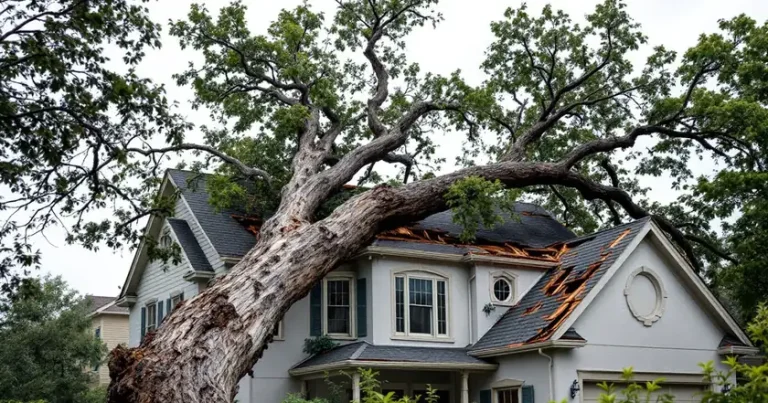
Tree Fell on Your Roof? Tree Damage, Insurance and Repair Costs
When a tree falls on your roof, get people out of the impact zone, stay at least 35 feet from any downed power line, and call 911 and the utility before anyone touches the tree. Tree damage to a roof is usually covered by a standard homeowners policy when a sudden event drops the tree […]
INSURANCE
Does Homeowners Insurance Cover Roof Damage? Coverage Explained
Homeowners insurance often covers roof damage, but only when a sudden, accidental peril causes it, such as wind, hail, fire, lightning, a falling tree, or the weight of ice and snow. Damage traced to age, wear and tear, or lack of maintenance is generally excluded. Whether a covered claim pays the full replacement cost or […]

INSURANCE
Does a Home Warranty Cover Roof Damage in 2026? What's Actually Covered
Does home warranty cover roof damage? In most cases, no. Standard home warranty plans do not cover the roof itself. They cover interior systems and appliances (HVAC, water heater, plumbing, electrical). Most major home warranty companies (American Home Shield, Choice, First Ameri...

INSURANCE
Filing an Insurance Claim for Roof Damage: A 2026 Homeowner Step-by-Step
Filing an insurance claim for roof damage follows a predictable 8-step process: document the damage with photos immediately, mitigate further damage with tarps or temporary patches, get a written inspection from a licensed roofing contractor BEFORE you call the carrier, file the ...
INSURANCE
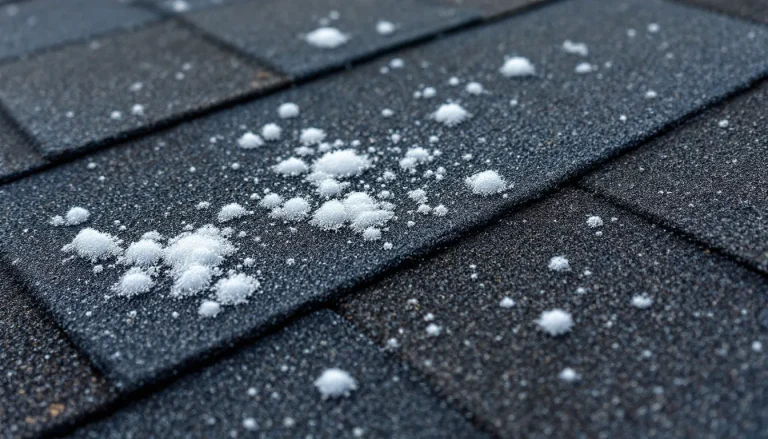
How Much Hail Damage Does It Take to Replace a Roof? 2026 Adjuster Standards
How much hail damage to replace roof comes down to a specific adjuster benchmark: 8 to 10 functional hail hits per 100 square feet (a 10-by-10 foot test square) is the industry standard threshold that triggers a full roof replacement on most homeowner insurance claims. Below that...
INSURANCE REFORM
Florida AOB Roofing Reform 2026: What Contractors and Homeowners Need to Know
The florida aob roofing landscape changed permanently between 2019 and 2023 through a series of legislative reforms that all but eliminated the old Assignment of Benefits model. SB 76 (signed 2021) imposed pre-suit notice and itemized estimate requirements, capped attorney fees o...
Read The Roofing Brief.
One Tuesday morning brief on roofing. Five minutes. The news, the playbooks, the deals.