
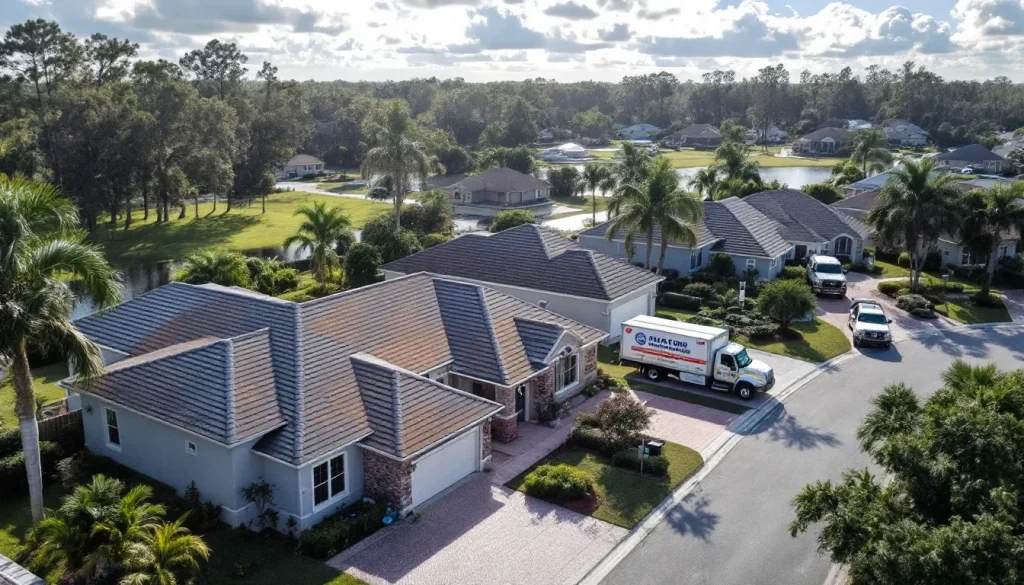
The florida roofing market 2026 picture turned decidedly mixed on Sunday, June 14, when Adams and Reese partner and Florida Roofing and Sheet Metal Contractors Association general counsel Trent Cotney published his mid-year state of the industry analysis on Roofers Coffee Shop, flagging uneven demand nationally and naming Florida residential as the standout weak segment heading into the second half of 2026.
What happened
Cotney, a long-tenured construction lawyer who advises hundreds of roofing contractors and serves as general counsel to FRSA, used the June 14 commentary to frame the back half of 2026 as a tale of two segments. Commercial roofing demand, he wrote, is holding firm on the back of reroof activity, distribution warehouse construction, and continued public infrastructure spending. Residential demand, however, is softening, with Florida emerging as the clearest weak spot in the country.
Cotney pointed to three converging pressures on Florida residential: the multi-year insurance (for the full data set, see our the 2026 State of Roofing Insurance report) market exit that has narrowed homeowner coverage options, post-storm fatigue after consecutive hurricane seasons, and elevated interest rates that have slowed both new construction and discretionary reroofs. His full credentials and practice profile are public at Adams and Reese.
The analysis lands at a moment when many Florida contractors had already privately reported softening lead volume through April and May, and when distributor sell-through on premium asphalt and metal product lines has lagged the same months in 2024 and 2025.
Why it matters
For Florida homeowners, the cooldown is genuinely good news. Easier contractor scheduling, less seasonal price pressure, and more time to vet bids favor buyers who need a reroof but are not under emergency timelines. The market is shifting from a take-the-first-bid environment back toward something closer to normal selection.
For Florida roofing contractors, the message is harder. Margin compression is real, and crews that staffed up during the 2023 and 2024 post-Idalia rush now face quieter call boards and tighter bid spreads. Cotney’s commentary points toward a marketing pivot: leaning into long-form customer education, insurance literacy, and maintenance contracts rather than chasing storm (for the full data set, see our the 2026 Severe Weather Roof Damage Report)-driven volume.
For suppliers and distributors, inventory glut risk is the headline concern. Carrying high stock levels of premium architectural shingles, metal panels, and underlayment through a soft Florida summer could pressure end-of-year pricing. Regional distributors with multi-state reach are better insulated than Florida-only operators.
The Florida insurance context
Cotney’s residential warning sits on top of a Florida property insurance market that has been restructuring for three years. Citizens Property Insurance Corporation, the state-backed carrier of last resort, now writes a meaningful share of single-family homeowner policies in coastal counties as private carriers continue to limit new business or exit the state entirely. Higher premiums and tighter underwriting have made some homeowners delay reroofs they would otherwise have started.
Assignment of Benefits reform, codified in Florida statute over the last two legislative sessions, has changed the contractor-homeowner-carrier dynamic on insurance claims. Contractors can no longer accept AOB agreements on residential property insurance claims in most circumstances, which has eliminated a major channel for storm-driven reroof volume. The full AOB reform explainer covers the practical effects for contractors and homeowners.
Hurricane Idalia’s 2023 aftermath continues to ripple through the claims environment. Carriers have tightened roof-age underwriting, with some refusing to renew policies on roofs older than 15 years. That underwriting pressure forces some homeowners into reroof decisions they had not planned for, but it also caps how much spending households can absorb.
What it means for homeowners shopping for a roof
For Florida homeowners considering a new roof in the next 12 months, the soft market favors deliberate buyers. Three practical moves apply.
First, verify licensing and insurance with the state. Anyone selling a residential roof in Florida should hold a Certified Roofing Contractor license through the state Construction Industry Licensing Board. The Florida licensing process and how to verify a contractor covers the lookup steps.
Second, get three written bids and read them carefully. A softer market means contractors will negotiate, but only against documented competition. Review the contractor selection checklist and compare scope line by line. Watch for differences in underlayment specification, ridge venting, and warranty terms.
Third, run the numbers. The current Florida cost ranges for asphalt, metal, and tile are wider than they were a year ago because contractors are bidding more aggressively. The national average roof replacement cost gives a useful sanity check against any quote that feels off-market. For storm-prone counties, weigh whether a hurricane-rated upgrade is worth the premium given how insurers now price wind mitigation credits.
If a homeowner is in an active claim and the carrier is pushing back, the soft market does not change the rules around disputed claims. The guides to what to do after a claim denial and how actual cash value versus replacement cost settles remain the right starting point.
What it means for contractors
Cotney’s commentary implicitly recommends a contractor playbook for the slowdown. Tighten unit economics on materials and labor. Hold price discipline rather than chasing volume into negative-margin work. Invest in homeowner education content that builds long-cycle trust rather than short-cycle storm (for the full data set, see the 2026 Hail and Storm Loss Database) leads. Keep crews engaged on commercial reroofs, maintenance contracts, and property management portfolios where Florida demand remains steady.
Suppliers should expect Florida residential distributor orders to lag national trend through Q3, with potential recovery into Q4 if the 2026 hurricane season triggers significant claims activity. The seasonal hedge most large distributors run between Florida residential and commercial mid-Atlantic activity matters more in 2026 than it did in 2024.
Sources and further reading
Cotney’s full mid-year commentary is at Roofers Coffee Shop. His firm profile and practice background are at Adams and Reese, and FRSA membership and resources are at floridaroof.com. Citizens Property Insurance Corporation policy data is published at citizensfla.com, and Florida Office of Insurance Regulation rate filings are available at floir.com.
For TRB readers planning a Florida reroof in the back half of 2026, the most useful next reads are the Florida licensing guide, the AOB reform explainer, and the hurricane-rated roofing comparison.