
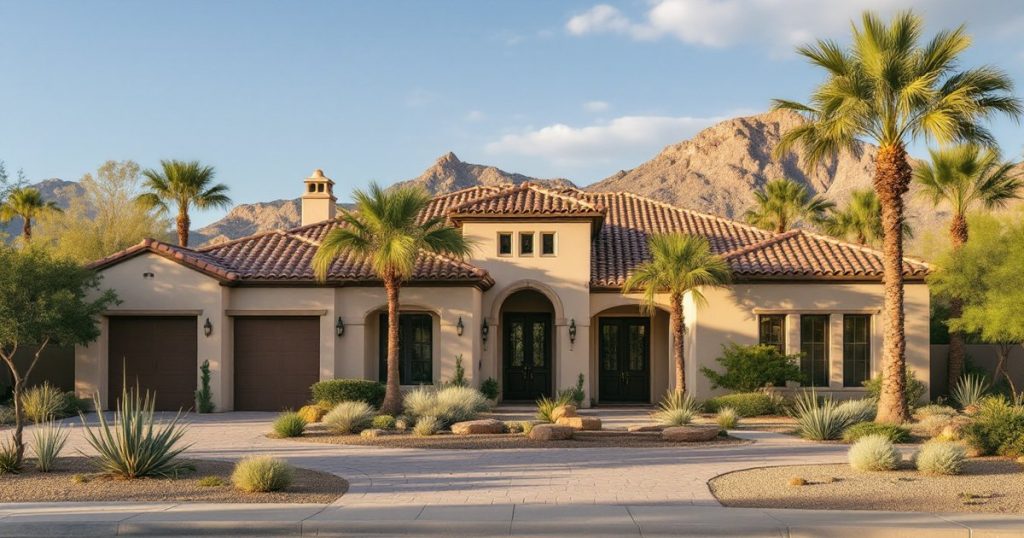
Eagle roofing tile is concrete roof tile made by Eagle Roofing Products, a family-owned company founded in 1989 in Rialto, California, that runs four plants in Rialto and Stockton, California, Phoenix, Arizona and Sumterville, Florida. It sells seven core profiles, from the flat Bel Air to the high-barrel Capistrano, in standard weight (about 900 to 970 pounds per roofing square) and, in the western US, a lightweight Eaglelite line (about 550 to 720 pounds).
This review works from Eagle’s own technical documents rather than marketing pages: the IAPMO UES ER-1900 evaluation report, Florida Product Approval FL7473-R11, the three Miami-Dade Notices of Acceptance, the CAL FIRE listing, the FM 4473 hail certificates, the 2025 warranty and its FAQ brochure, and the Miami-Dade and Florida approval databases as they stood on October 9, 2026. This page is the brand review. For the material itself, see our concrete roof tiles guide.
By The Roofing Brief Team. Last reviewed: October 2026.
Eagle roofing tile key numbers at a glance
The figures most Eagle shoppers search for are weight, minimum pitch, fire and hail ratings, approval status and warranty. Each figure below comes from an Eagle document or a public approval database, and each varies by profile and plant, so confirm the numbers for the exact tile and region on your contract.
| Metric | Eagle figure | Source |
|---|---|---|
| Owner | Burlingame family; Eagle is a division of Burlingame Industries | Eagle, “35 Facts” (January 2024); SRS Distribution supplier page |
| Core profiles | 7: Bel Air, Ponderosa, Golden Eagle, Estate, Tapered Slate (flat); Malibu (medium); Capistrano (high) | Eagle company post (July 2024) |
| Standard weight, per 100 sq ft | About 900 lb (Capistrano) to 970 lb (flat profiles) | Eagle Technical Specifications page |
| Eaglelite weight, per 100 sq ft | About 550 lb (Malibu) to 720 lb (flat profiles); western US only | Eagle Technical Specifications and Lightweight pages |
| Minimum slope | 2.5:12 per ER-1900 | IAPMO UES ER-1900, Section 2.2 |
| Fire rating | ASTM E108 Class A | ER-1900, Section 4.3; CAL FIRE listing 4175-2423:0001 |
| Code evaluation report | IAPMO UES ER-1900, valid through January 31, 2029 | ER-1900, revised November 24, 2025 |
| Florida approval | FL7473-R11, approved October 14, 2025 (HVHZ and non-HVHZ) | Florida Building Commission product approval database |
| Miami-Dade NOAs (tile) | 24-1008.07, 25-0313.04, 25-0313.05 listed as “File Expired” (expiration October 5, 2026); Eagle says renewals are pending | Miami-Dade Product Control search, checked October 9, 2026; Eagle NOA page |
| Warranty | Transferable Limited Lifetime Product and Limited 10 Year Replacement Cost Warranty; register within 18 months | Eagle warranty, revised March 4, 2025 |
Who owns Eagle Roofing Products?
Eagle Roofing Products is owned by the Burlingame family and operates as a division of Burlingame Industries, a privately held California company. Robert Burlingame founded Eagle in the fall of 1989 in Rialto, California, according to Eagle’s 35th-anniversary post, and the company describes itself as the only privately held US concrete roof tile maker that is American founded and owned.
That ownership answer matters because the other big names in US concrete tile changed hands. The former Boral concrete tile business now sits inside Westlake Royal Building Products, a Westlake Corporation (NYSE: WLK) company, which on October 5, 2026 folded its Newpoint concrete tile into a single brand called US Tile Concrete and Clay Roofing. Eagle has not been through a sale of that kind.
Two legal entities issue Eagle warranties. Tile made in Florida is warranted by Eagle Roofing Products Florida LLC; tile made at the western plants is warranted by Eagle Roofing Products. Eagle’s warranty page says both are separate legal entities of Burlingame Industries, each with its own warranty conditions, which is why Florida and HOA buyers get different warranty documents.
| Eagle facility | Location | Role | Source |
|---|---|---|---|
| Southern California plant (and headquarters) | Rialto, CA | Manufacturing; Eagle calls it the largest concrete tile plant in North America | Eagle Manufacturing Plants page; “35 Facts” |
| Northern California plant | Stockton, CA | Manufacturing | Eagle Manufacturing Plants page |
| Southwest plant | Phoenix, AZ | Manufacturing | Eagle Manufacturing Plants page |
| Florida plant | Sumterville, FL | Manufacturing; the only plant named in FL7473 and the Miami-Dade NOAs | Eagle; FL7473-R11; Miami-Dade NOAs |
| Stocking yards | West Palm Beach, FL and North Las Vegas, NV | Distribution | Eagle Manufacturing Plants page |
Eagle tile profiles, weights and sizes
Every Eagle profile is a nominal 17 by 12-3/8 inch interlocking concrete tile laid at about 88 to 88.5 tiles per 100 square feet with a 3 inch headlap. The flat profiles weigh the most at about 970 pounds per square in standard weight; the curved Malibu and Capistrano weigh about 900. Eaglelite swaps sand for lightweight aggregate and cuts about 26 to 39 percent of that load.
The weights below are Eagle’s published approximate installed weights. ER-1900 lists the same figures per square foot, by plant, and adds the Double Eagle Bel Air and Double Eagle Ponderosa variants. Eagle’s own technical page also lists a regional Sequoia flat profile and a Malibu Sub 800 for Western Canada.
| Profile | Type (ER-1900) | Tiles per 100 sq ft | Standard weight (lb per 100 sq ft) | Eaglelite (lb per 100 sq ft) | Florida-made (lb per 100 sq ft) | Source |
|---|---|---|---|---|---|---|
| Capistrano | Type I, high profile “S” | 88.5 | 900 | 570 | 880 | Eagle Technical Specifications; ER-1900 Tables 1A and 1C |
| Malibu | Type II, medium profile | 88 | 903 | 550 | 770 (ER-1900 lists 7.95 psf) | Eagle Technical Specifications; ER-1900 |
| Bel Air | Type III, low (flat) | 88.5 | 970 | 720 | 970 | Eagle Technical Specifications; ER-1900 |
| Ponderosa | Type III, low (flat) | 88.5 | 970 | 720 | 970 | Eagle Technical Specifications; ER-1900 |
| Golden Eagle | Type III, low (flat) | 88.5 | 970 | 720 | 970 | Eagle Technical Specifications; ER-1900 |
| Estate | Type III, low (flat) | Not listed on spec page | 970 (9.7 psf) | 720 (7.2 psf, California plants) | 970 | ER-1900 Tables 1A to 1C |
| Tapered Slate | Type III, low (flat) | 88.5 | 970 | Not offered | 970 | Eagle Technical Specifications; ER-1900 |
One field fact the weight tables hide: the “Florida” column is lighter for the curved profiles, so a Malibu roof in Florida can carry about 110 to 130 pounds less per square than a standard western Malibu. Tiles from the Sumterville plant are also stamped “Florida” on each piece, per ER-1900 Section 5.0, which helps an inspector or adjuster confirm which approval documents apply. For how that weight and the long-run cost stack up against asphalt, see our comparison of concrete tile vs asphalt shingles.
How much weight does Eaglelite save on a real roof?
On a 2,000 square foot roof (20 squares), Eaglelite saves roughly 5,000 to 7,000 pounds compared with standard-weight Eagle tile, depending on profile. That is a Roofing Brief calculation from Eagle’s published per-square weights, before ridge, hip and trim pieces, which add load on every roof.
| Profile (20 squares of field tile) | Standard weight | Eaglelite | Load saved | Basis |
|---|---|---|---|---|
| Bel Air | 19,400 lb | 14,400 lb | 5,000 lb | 970 vs 720 lb per square x 20 |
| Capistrano | 18,000 lb | 11,400 lb | 6,600 lb | 900 vs 570 lb per square x 20 |
| Malibu | 18,060 lb | 11,000 lb | 7,060 lb | 903 vs 550 lb per square x 20 |
Eaglelite is a re-roof tool, not a structural guarantee. Eagle states the lightweight tile is sold only in the western United States and recommends asking a roofing contractor whether it suits the structure, and ER-1900 Section 2.3 says the supporting structure is outside the report’s scope. A framing check by an engineer is the safer path whenever tile replaces a lighter roof. To compare Eaglelite with clay, slate and composite, see our roof tile weight and structural load comparison.
What is the minimum pitch for Eagle roof tile?
Eagle concrete tile may be installed on roof slopes of 2.5:12 or steeper under IAPMO UES ER-1900 Section 2.2, which matches the 2021 IRC Section R905.3.2 deck-slope rule for clay and concrete tile (“2 1/2 units vertical in 12 units horizontal… or greater”). The underlayment, not the tile, is what changes as the pitch drops toward that minimum.
The TRI Alliance Concrete and Clay Roof Tile Installation Manual, which ER-1900 adopts (March 2024 edition, revised May 2025), calls for a minimum of two underlayment layers on slopes from 2.5:12 up to 4:12. Florida follows its own FRSA/TRI Florida High Wind Concrete and Clay Tile Installation Manual, 7th Edition, which Eagle’s Florida approval references.
| Roof pitch | Where it applies | What the referenced document requires | Source |
|---|---|---|---|
| Below 2.5:12 | Outside Florida | Not a permitted Eagle tile slope under ER-1900 | ER-1900 Section 2.2; 2021 IRC R905.3.2 |
| 2.5:12 to under 4:12 | IRC/IBC jurisdictions | Minimum two layers of underlayment | TRI Alliance installation manual (2024, rev. 2025) |
| 4:12 and steeper | Florida | Battens optional; single-ply self-adhered or two-ply systems listed | FRSA/TRI 7th Edition roof parameters matrix |
| 3:12 to under 4:12 | Florida | No battens; mechanical or adhesive attachment | FRSA/TRI 7th Edition roof parameters matrix |
| 2:12 to under 3:12 | Florida | No battens; adhesive-set tile only | FRSA/TRI 7th Edition roof parameters matrix |
Some contractor review pages give 3:12 as Eagle’s minimum. That is a common shop rule rather than the number in Eagle’s evaluation report, so ask your roofer which document governs your permit.
Eagle code approvals: Florida, Miami-Dade, ER-1900, fire and hail
Eagle tile carries an IAPMO UES evaluation report for the IBC, IRC, California and Florida codes, a current Florida product approval for both hurricane zones, a CAL FIRE Class A listing, and FM 4473 hail certificates. The exception on October 9, 2026 is Miami-Dade: all three Eagle tile NOAs show as expired in the county database while Eagle’s renewal applications are pending.
| Approval or test | Number and status | What it covers | Source |
|---|---|---|---|
| IAPMO UES evaluation report | ER-1900; issued January 15, 2016; revised November 24, 2025; valid through January 31, 2029 | Eagle and Eaglelite tile under the 2024, 2021 and 2018 IBC and IRC, 2025 and 2022 California codes, 2023 Florida codes; Class A on 15/32 inch plywood | ER-1900 |
| Older ICC-ES report | ESR-1900, reissued March 2014, “subject to renewal 03/2016” | Superseded in practice by ER-1900; still posted on Eagle’s site | ICC-ES ESR-1900 PDF on eagleroofing.com |
| Florida product approval | FL7473-R11, approved October 14, 2025: 7473.1 (HVHZ), 7473.2 (non-HVHZ) | Low, medium and high profile tile from the Sumterville plant; 2023 Florida Building Code (8th Edition) | floridabuilding.org; NEMO ETC evaluation reports PEER-EGL-001.A and .B |
| Miami-Dade NOA, high profile | 24-1008.07; File Expired; expiration October 5, 2026 | High Profile Concrete Tile, Sumterville | Miami-Dade Product Control, checked October 9, 2026 |
| Miami-Dade NOA, medium profile | 25-0313.04; File Expired; expiration October 5, 2026 | Medium Profile Concrete Tile, Sumterville | Miami-Dade Product Control, checked October 9, 2026 |
| Miami-Dade NOA, low profile | 25-0313.05; File Expired; expiration October 5, 2026 | Low Profile Concrete Tile, Sumterville | Miami-Dade Product Control, checked October 9, 2026 |
| Fire | ASTM E108 Class A (the same test UL publishes as UL 790) | Malibu, Capistrano and Bel Air listed by CAL FIRE (4175-2423:0001, expires June 30, 2027); all ER-1900 tiles on 15/32 inch plywood | CAL FIRE OSFM listing; ER-1900 Section 4.3 |
| Hail, Florida plant | ANSI FM 4473 Class 4, certificate 111C, expires December 31, 2026 | Capistrano, Bel Air, Malibu made in Sumterville | PRI Construction Materials Technologies certificates |
| Hail, western plants | FM 4473 Class 3 | Bel Air and Malibu (Phoenix, 2009 listing); Malibu, Ponderosa, Capistrano (Stockton, 2019 listing) | Intertek Roof Impact Certification listings |
| Texas | Texas Department of Insurance third-party listing | Acceptance of the FL7473 evaluation report | Eagle Code Approvals page; PEER scope statement |
What the Miami-Dade NOA lapse means for a buyer
If you are permitting an Eagle tile roof in Miami-Dade or Broward County, the High Velocity Hurricane Zone, ask for a currently valid NOA or the county’s written acceptance before the permit is pulled. On October 9, 2026, Miami-Dade’s Product Control database listed NOAs 24-1008.07, 25-0313.04 and 25-0313.05 as “File Expired” with an October 5, 2026 expiration, and Eagle’s NOA page stated that renewal applications were pending.
Outside the HVHZ, the lapse has a narrower effect. The non-HVHZ approval, FL7473.2, does not depend on a Miami-Dade NOA, and the state database showed FL7473-R11 as approved. For comparison, Westlake Royal’s Saxony 900 and Barcelona 900 NOAs ran to April 26, 2027 and Crown’s Windsor NOA to January 29, 2030 on the same database. For how to read a file status, see our explainer on how Miami-Dade NOAs work.
Is Eagle tile rated Class 4 for hail?
Some Eagle tile is, depending on the plant. Capistrano, Bel Air and Malibu made at the Sumterville, Florida plant hold ANSI FM 4473 Class 4 certificates valid to December 31, 2026. The Phoenix and Stockton listings Eagle posts show Class 3 under FM 4473. Eagle’s brochure says tile from Phoenix, Stockton and Sumterville is impact certified, so Rialto-made tile may not carry a listing.
FM 4473 is the ice-ball impact test written for rigid roof coverings such as tile. UL 2218, the steel-ball test most asphalt shingles cite, does not appear among Eagle’s posted approvals. An insurer that asks for “Class 4” may need the FM 4473 certificate for the specific plant, so request it with the tile order.
Eagle Title 24 and cool roof colors
Many Eagle colors are rated by the Cool Roof Rating Council, and Eagle marks its Title 24 compliant tile on its website. Eagle’s Title 24 page says steep-slope roofs in California climate zones 10 to 15 need an aged solar reflectance of at least 0.20 under the prescriptive path. Dark charcoal and black concrete roof tiles usually fall below that line.
The values below come from Eagle’s 2024 Lightweight Collection brochure, which prints the CRRC product ID and the initial and aged ratings for each Eaglelite color. Confirm against the CRRC directory and the Energy Code edition your permit falls under, since requirements and exceptions vary by climate zone and building.
| Eaglelite color (profile) | CRRC ID | Aged reflectance | Aged SRI | At or above 0.20 aged reflectance? | Swatch |
|---|---|---|---|---|---|
| 598 Kona Red Range (Capistrano) | 0918-0018 | 0.27 | 28 | Yes | |
| 330 Weathered Adobe (Ponderosa) | 0918-0017 | 0.26 | 27 | Yes | |
| 573 Walnut Creek Blend (Capistrano) | 0918-0037 | 0.23 | 23 | Yes | |
| 204 Rocklin Blend (Bel Air) | 0918-0101 | 0.21 | 22 | Yes | |
| 526 Valencia (Capistrano) | 0918-0053 | 0.20 | 20 | Yes, at the line | |
| 399 Charcoal Range (Ponderosa) | 0918-0046 | 0.17 | 16 | No | |
| 202 BL Concord Blend (Bel Air) | 0918-0107 | 0.16 | 15 | No | |
| 295 Dark Charcoal (Bel Air) | 0918-0116 | 0.12 | 10 | No |
Swatches are approximate screen colors; order a physical sample, which Eagle supplies free. Eagle’s Title 24 page also lists re-roof exceptions in zones 10 to 15, including high-profile tile with a 1:5 rise-to-width ratio and elevated battens, so a dark Capistrano may still pass on some projects.
Eagle warranty: what it covers and what voids it
Eagle’s warranty is a Transferable Limited Lifetime Product and Limited 10 Year Replacement Cost Warranty. It covers water passing through the body of a tile because of structural deterioration or a hidden manufacturing defect, judged against ASTM C1492 transverse strength and permeability tests. It does not cover installation, color, or storm damage, and it must be registered within 18 months of tile delivery.
| Warranty term | What Eagle’s document says | Source |
|---|---|---|
| Length | Life of ownership for the original and subsequent owners of the structure | Eagle warranty, revised 03/04/2025 |
| Registration | Within 18 months of first tile delivery, at erwarranty.com; if not registered, coverage is limited to two years from installation | Warranty; Eagle FAQ page |
| First 10 years | Adds reasonable labor, freight, underlayment and fasteners to replace defective tiles, but only where a verified defect lets water into the structure | Warranty |
| After 10 years | Replacement tile or a refund at Eagle’s current distributor cost for the defective tiles, at Eagle’s election | Warranty |
| Transfer | Automatic to later owners if the original registration was made in time; the 2025 FAQ brochure describes it as transferable “up to one time” | Warranty; 2025 Warranty FAQ brochure |
| Lift and relay | “Complete lift and re-lay installations (greater than 3 squares)” void the limited lifetime warranty | Warranty, opening paragraph |
| Excluded | Color, surface cracking, chipping, slurry coating delamination, efflorescence, foot traffic damage, installation not per TRI manuals or code, hail, hurricanes, fire, earthquakes | Warranty, “No implied warranties” |
| Adjacent tiles | Not covered; only tiles with a verified defect | Warranty |
The lift-and-relay clause deserves the most attention. Tile roofs commonly need new underlayment long before the tile wears out, and the usual fix is to lift the tiles, re-felt and relay them. As written, a full lift and relay over three squares voids Eagle’s lifetime coverage on the tile, so ask Eagle in writing how it will treat the warranty before that work is scheduled. For a line-by-line estimate, see what a tile underlayment replacement costs.
The transfer wording is the second thing to pin down. The warranty itself says coverage passes automatically to subsequent owners; the 2025 brochure says it is transferable up to one time. A seller or buyer should keep the registration PDF and ask Eagle’s warranty line (1-888-470-0236) which reading applies.
How much does Eagle roof tile cost?
Eagle does not publish prices and sells only through distributors, so installed cost is set by your roofer. The Roofing Brief’s 2026 baseline for concrete tile is $7 to $19 per square foot installed, about $14,000 to $38,000 for a 2,000 square foot roof, with most bids nearer the $10 to $18 band in our concrete tile guide. Eagle’s own FAQ puts concrete tile at roughly three times the cost of heavyweight asphalt shingles.
| Cost item | Range | Basis or source |
|---|---|---|
| Concrete tile, installed (2026 baseline) | $7 to $19 per sq ft | Roofing Brief 2026 roofing cost report |
| Concrete tile, typical installed band | $10 to $18 per sq ft | Roofing Brief concrete roof tiles guide |
| 2,000 sq ft roof at the baseline | About $14,000 to $38,000 | Roofing Brief estimate: 2,000 x $7 and x $19 |
| Single replacement tile, retail | $9.90 per Capistrano field tile (Alhambra color), $399 minimum order | Superarbor online listing, October 2026 |
| Field tile at that single-piece price | About $876 per square ($8.76 per sq ft) before trim, freight or labor | Roofing Brief estimate: 88.5 tiles x $9.90; a small-order retail ceiling, not a distributor price |
| Mid-life lift and relay (re-felt) | $3 to $5 per sq ft; $4 to $6 in Arizona | Fixr underlayment replacement cost guide (Jan. 31, 2025); America Roofing, Phoenix (July 2026). Eagle’s lift and re-lay FAQ puts the job at about 20 percent less than a complete tile replacement |
The variables that move an Eagle quote are the same as for any concrete tile: profile (high-barrel Capistrano needs more trim and labor than a flat Bel Air), Florida high-wind attachment, underlayment system, structural work, and whether a regional color is in stock. Eagle says lead times vary by plant and product. For the full cost breakdown by material, see the 2026 roofing cost report.
For repairs, Eagle tile can be replaced piece by piece, and Eagle and the TRI Alliance both advise using a contractor because broken tiles let water and UV reach the underlayment. Color matching an older roof is the usual snag, since Eagle’s color-through tiles lighten as the cement-rich surface wears in the first decade.
Eagle vs Westlake Royal (US Tile) vs Crown Roof Tiles
Eagle, Westlake Royal’s US Tile and Crown Roof Tiles are the concrete tile makers most Florida and Sun Belt buyers compare. They differ less on the tile than on ownership, plant locations and paperwork. All three publish limited lifetime product warranties tied to the ASTM C1492 tile standard; the October 2026 difference is Miami-Dade approval status.
| Point of comparison | Eagle Roofing Products | Westlake Royal (US Tile Concrete) | Crown Roof Tiles |
|---|---|---|---|
| Owner | Burlingame family; division of Burlingame Industries | Westlake Royal Building Products, a Westlake Corporation (NYSE: WLK) company | Trading name of Crown Building Products LLC and Crown Building Products of Florida LLC |
| Brand history | Founded 1989 in Rialto, CA | Newpoint concrete tile merged into US Tile Concrete and Clay Roofing on October 5, 2026 | Acquired UK maker Russell Roof Tiles in November 2011 |
| Plants named by the company | Rialto and Stockton, CA; Phoenix, AZ; Sumterville, FL | Florida (Lake Wales, Okeechobee) and Katy, TX appear in its Miami-Dade NOA titles | Arcadia, FL and Texas sites (Mansfield, Pharr); affiliates in Mexico and Great Britain |
| Warranty headline | Transferable Limited Lifetime Product plus Limited 10 Year Replacement Cost | Limited lifetime warranty on concrete tile | Limited Lifetime, Fully Transferable, Non-Prorated Product Warranty |
| Miami-Dade concrete tile NOAs, October 9, 2026 | Three NOAs listed as File Expired (October 5, 2026); renewals pending | Saxony 900 (Lake Wales) and Barcelona 900 approved to April 26, 2027, among others | Windsor NOA 25-0127.10 approved to January 29, 2030 |
| Sources | Eagle site; ER-1900; Miami-Dade | Westlake Royal release (GlobeNewswire, October 5, 2026); Miami-Dade | crownrooftiles.com; Crown warranty PDF; Miami-Dade |
This table compares documents, not tile quality; this review found no public test that ranks one brand’s concrete tile above another’s. For that company’s wider portfolio, see our Westlake Royal roofing review. If you are still choosing the material, start with the clay vs concrete roof tile comparison.
Which Eagle tile should you pick?
The right Eagle tile depends on house style, structure, climate and approvals more than on any one profile being better. Use the table to narrow the choice, then confirm regional availability on Eagle’s Browse Tile map, since profiles and colors vary by region.
| Your situation | Eagle option to look at | Why |
|---|---|---|
| Mediterranean or Spanish-style home | Capistrano (high) or Malibu (medium) | Eagle positions both for Mediterranean, Floridian and modern homes |
| Craftsman, colonial, modern or French provincial look | Bel Air, Ponderosa, Golden Eagle, Estate, Tapered Slate | Eagle’s flat profiles, suited to those styles per Eagle |
| Western re-roof over framing sized for shingles | Eaglelite Malibu or Capistrano, after an engineer’s check | 550 to 570 lb per square vs about 900 standard |
| Miami-Dade or Broward permit | Any Sumterville profile, only once a valid NOA is confirmed | Eagle’s tile NOAs were listed as expired on October 9, 2026 |
| Freeze-thaw climate | Color-through tile, not slurry-coated | Eagle excludes slurry tile from freeze-thaw claims; FL7473 limits it to negligible weathering areas |
| California climate zones 10 to 15 | A CRRC-rated color at 0.20 aged reflectance or higher | Eagle’s Title 24 guidance for steep-slope cool roofs |
| Insurer wants Class 4 hail | Sumterville-made Capistrano, Bel Air or Malibu | FM 4473 Class 4 certificates to December 31, 2026 |
How to check an Eagle tile roof before you sign
A buyer can verify most of what matters in an Eagle tile quote in under an hour, using Eagle’s posted documents and the Florida and Miami-Dade approval databases. The checks cover region, plant, approvals, weight, underlayment and warranty registration, and they follow the order the questions come up in a real contract.
- Confirm the profile and color are sold in your region on Eagle’s Browse Tile page, and get a free physical sample, because Eagle warns that screen and print colors vary.
- Ask which plant will make the tile. Plant decides the weight, the hail certificate and, in Florida, which approval applies.
- Match the approval to your jurisdiction: ER-1900 for IBC and IRC areas, FL7473-R11 in Florida, and a current Miami-Dade NOA in the HVHZ.
- Get the installed weight per square in writing and have the framing checked if tile replaces a lighter roof.
- Check the underlayment against the pitch: two layers from 2.5:12 to 4:12 under the TRI manual, or the FRSA/TRI matrix in Florida, with an underlayment approval that names your tile attachment method.
- Ask the roofer to register the warranty at erwarranty.com within 18 months of delivery, and keep the PDF for the next owner.
- Before any future re-felt, ask Eagle in writing how a lift and relay over three squares affects the warranty.
Is Eagle Roofing a good company?
On the public record, Eagle is an established, family-owned manufacturer with 37 years in business, four plants, more than 500 employees by its own count, and current code paperwork outside Miami-Dade. Its tile carries an IAPMO UES evaluation valid to 2029, a Florida approval for both hurricane zones, a CAL FIRE Class A listing and plant-specific FM 4473 hail certificates.
The open items are paperwork and fine print rather than the tile. Miami-Dade buyers should wait for a renewed NOA, and every buyer should read the lift-and-relay and registration clauses. Eagle sells through distributors such as SRS Distribution and ABC Supply, which list it among their tile suppliers, so service quality on a given job also depends on the roofer.
Frequently asked questions
How much does Eagle roof tile cost?
Eagle does not publish prices and sells only through distributors, so your roofer sets the installed price. The Roofing Brief’s 2026 baseline for concrete tile is $7 to $19 per square foot installed, about $14,000 to $38,000 for a 2,000 square foot roof. One online retailer listed a single Capistrano field tile at $9.90 in October 2026, which suits repairs more than whole roofs.
Who owns Eagle Roofing Products?
Eagle Roofing Products is owned by the Burlingame family and is a division of Burlingame Industries, a privately held California company. Robert Burlingame founded Eagle in Rialto, California, in 1989. Its warranties are issued by Eagle Roofing Products and by Eagle Roofing Products Florida LLC, which Eagle describes as separate legal entities of Burlingame Industries.
Is Eagle Roofing a good company?
Eagle has 37 years in business, four plants and current code approvals outside Miami-Dade, including IAPMO UES ER-1900 valid to January 2029 and Florida approval FL7473-R11. Its tile is Class A fire rated, and Florida-made tile holds FM 4473 Class 4 hail certificates. As of October 9, 2026, its three Miami-Dade tile NOAs were listed as expired pending renewal.
What is the minimum pitch required for Eagle roof tile?
Eagle’s evaluation report, IAPMO UES ER-1900, allows Eagle concrete tile on slopes of 2.5:12 or steeper, matching 2021 IRC Section R905.3.2. The TRI Alliance installation manual requires at least two underlayment layers from 2.5:12 up to 4:12. In Florida, the FRSA/TRI 7th Edition manual allows adhesive-set tile down to 2:12.
Is Eagle roofing tile concrete or clay?
Eagle roofing tile is concrete. Eagle makes it from sand, cement, water and iron oxide pigment, with color mixed through the body of most tiles (some colors are slurry-coated), and its lightweight Eaglelite line replaces the sand with lightweight aggregate. Eagle does not make clay tile; its ER-1900 report covers Eagle and Eaglelite interlocking concrete roof tiles only.
Is the Eagle tile warranty transferable?
Yes, if the original owner registered it within 18 months of tile delivery. The warranty says coverage transfers automatically to later owners of the structure, while Eagle’s 2025 brochure describes it as transferable up to one time. Unregistered roofs are limited to two years of coverage, according to Eagle’s FAQ page.
Where can I buy Eagle roof tile?
Eagle sells only through distributors, not directly to homeowners, so a roofing contractor normally orders the tile. National distributors such as SRS Distribution and ABC Supply list Eagle among their suppliers. Eagle also runs regional design centers and customer service lines that can point you to a local distributor and supply free samples.
Does Eagle tile have a Miami-Dade NOA?
Eagle’s high, medium and low profile tile NOAs (24-1008.07, 25-0313.04 and 25-0313.05) showed as “File Expired” in Miami-Dade’s Product Control database on October 9, 2026, with an October 5, 2026 expiration. Eagle’s NOA page said renewal applications were pending. Check the database for a renewed NOA before permitting in Miami-Dade or Broward.
Sources: Eagle Roofing Products web pages (About, Manufacturing Plants, Technical Specifications, Code Approvals, NOA, Lightweight Concrete Roof Tile, Title 24, FAQs, Our Warranty), “35 Facts About Eagle Roofing Products” (January 22, 2024) and “Eagle: Proud to be an American Company” (July 2024); Eagle Transferable Limited Lifetime Product and Limited 10 Year Replacement Cost Warranty (revised March 4, 2025) and 2025 Warranty FAQ Brochure; Eagle Lightweight Collection brochure (2024); IAPMO UES ER-1900 (revised November 24, 2025); IAPMO UES ER-2015 covering the TRI Alliance Concrete and Clay Roof Tile Installation Manual (report revised July 23, 2026); ICC-ES ESR-1900 (reissued March 2014); Florida Building Commission product approval FL7473-R11 and NEMO ETC evaluation reports PEER-EGL-001.A.R8 and PEER-EGL-001.B (July 23, 2025); FRSA/TRI Florida High Wind Concrete and Clay Tile Installation Manual, 7th Edition; Miami-Dade NOAs 24-1008.07, 25-0313.04, 25-0313.05 and the Miami-Dade Product Control database (checked October 9, 2026); CAL FIRE OSFM listing 4175-2423:0001; PRI Construction Materials Technologies FM 4473 certificates (certification 111C); Intertek Roof Impact Certification listings (Phoenix and Stockton); 2021 International Residential Code Section R905.3.2; Westlake Royal Building Products release via GlobeNewswire (October 5, 2026); Crown Roof Tiles website and Crown limited warranty; SRS Distribution Eagle supplier page; ABC Supply concrete and clay tile page; Superarbor Eagle Capistrano listing (October 2026).